Understanding Chemotherapy Side Effects: Symptoms, Management, and Care
Chemotherapy is one of the most effective treatments for cancer, designed to destroy rapidly dividing cancer cells. While it plays a crucial role in improving survival rates, it can also affect healthy cells, leading to various side effects. Understanding these side effects, along with proper management and care, can significantly improve a patient’s quality of life during treatment. Consulting the Best oncologist in greater noida can help patients receive personalized care and guidance throughout their journey.
What Are Chemotherapy Side Effects?
Chemotherapy drugs target fast-growing cells, which include not only cancer cells but also healthy cells in the hair follicles, digestive tract, and bone marrow. This is why patients often experience side effects. The severity and type of side effects depend on the type of chemotherapy, dosage, and individual health conditions. Seeking advice from the Best oncologist in greater noida ensures that side effects are monitored and managed effectively.
Common Symptoms of Chemotherapy Side Effects
- Fatigue
One of the most common side effects, fatigue can range from mild tiredness to extreme exhaustion. Patients are advised to rest adequately and maintain a balanced routine.
- Nausea and Vomiting
Chemotherapy can irritate the stomach lining, leading to nausea. Anti-nausea medications prescribed by the Best oncologist in greater noida can help control these symptoms.
- Hair Loss
Hair loss occurs because chemotherapy affects hair follicle cells. While this can be emotionally challenging, it is usually temporary.
- Loss of Appetite
Changes in taste and reduced appetite are common. Nutritional support and dietary guidance from the Best oncologist in greater noida can help maintain proper nutrition.
- Weakened Immune System
Chemotherapy can lower white blood cell counts, increasing the risk of infections. Maintaining hygiene and regular check-ups with the Best oncologist in greater noida is essential.
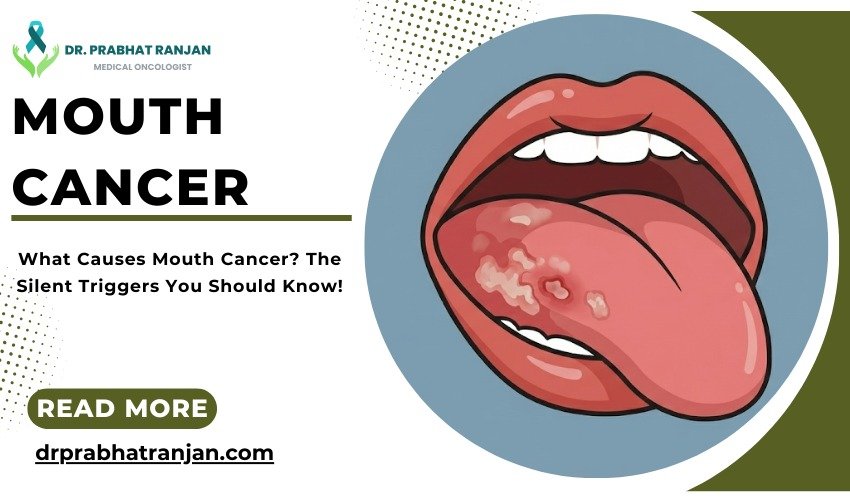
- Mouth Sores
Some patients may develop sores in the mouth, making eating difficult. Proper oral care is crucial to prevent complications.
- Diarrhea or Constipation
Digestive issues are common and should be managed under medical supervision.
Long-Term Side Effects
In some cases, chemotherapy may lead to long-term effects such as nerve damage (neuropathy), fertility issues, or heart-related problems. Early detection and continuous monitoring by the Best oncologist in greater noida can help reduce risks and manage complications effectively.
Management of Chemotherapy Side Effects
Managing chemotherapy side effects involves a combination of medical treatment, lifestyle adjustments, and emotional support.
- Medications: Doctors prescribe drugs to control nausea, pain, and infections.
- Nutrition: A balanced diet rich in proteins, vitamins, and fluids helps the body recover faster.
- Physical Activity: Light exercises such as walking can improve energy levels and mood.
- Rest and Sleep: Proper rest is essential to combat fatigue.
- Emotional Support: Counseling and support groups can help patients cope with stress and anxiety.
Regular consultations with the Best oncologist in greater noida ensure that treatment plans are adjusted based on the patient’s response and overall health.
Supportive Care During Chemotherapy
Supportive care plays a vital role in improving the overall treatment experience. This includes pain management, psychological support, and lifestyle counseling. Caregivers and family members also play a significant role in providing emotional and physical support. The guidance of the Best oncologist in greater noida ensures a holistic approach to patient care.
When to Contact a Doctor
Patients should immediately consult their doctor if they experience:
- High fever or signs of infection
- Severe vomiting or diarrhea
- Unusual bleeding or bruising
- Persistent pain or discomfort
Timely intervention by the Best oncologist in greater noida can prevent complications and ensure safe treatment.
Conclusion
Chemotherapy is a powerful tool in the fight against cancer, but it often comes with a range of side effects that can impact daily life. Understanding these side effects and taking proactive steps to manage them can make a significant difference in a patient’s journey. With the right medical support, proper nutrition, and emotional care, patients can navigate chemotherapy more comfortably. Consulting the Best oncologist in greater noida ensures expert guidance, personalized treatment, and better outcomes throughout the cancer treatment process.
FAQs
1. Are all chemotherapy side effects permanent?
No, most side effects are temporary and gradually disappear after treatment ends. However, some may last longer depending on the individual.
2. How can I reduce nausea during chemotherapy?
Doctors may prescribe anti-nausea medications, and eating small, frequent meals can help manage symptoms.
3. Is hair loss inevitable during chemotherapy?
Not all chemotherapy drugs cause hair loss. It depends on the type of treatment being used.
4. Can I continue normal activities during chemotherapy?
Many patients can continue light daily activities, but it is important to listen to your body and rest when needed.
5. When should I contact my doctor during treatment?
You should contact your doctor if you experience severe symptoms such as high fever, persistent vomiting, or unusual pain.

.png)

.png)

.png)
.png)

.png)
.png)
.png)
.png)
.png)
.png)
.png)
.png)
.png)
.png)
.png)
.png)
.png)
.png)
.png)
.png)
.png)
.png)
.png)