Cancer Without Genetics? Understanding Lifestyle, Environment & Cancer Risk
Cancer is often associated with family history and inherited genes, but the reality is very different. Not all cancers are genetic. In fact, a large percentage of cancer cases develop due to lifestyle choices, environmental exposure, unhealthy habits, and age-related cellular changes. Understanding these risk factors can help individuals take preventive measures and seek timely medical advice from the best oncologist in greater noida.
According to cancer specialists, only a small percentage of cancers are directly inherited through genes. The majority are linked to external and preventable factors. Dr. Prabhat Ranjan, regarded by many patients as the best oncologist in greater noida, emphasizes the importance of awareness, early diagnosis, and healthy living in reducing cancer risk.
What Does “Genetic Cancer” Mean?
Genetic or hereditary cancers occur when a person inherits a mutated gene from their parents. These inherited mutations can increase the risk of developing certain cancers such as breast cancer, ovarian cancer, colon cancer, or prostate cancer. However, hereditary cancers account for only about 5–10% of all cancer cases.
This means that even if you have no family history of cancer, you can still develop the disease due to various environmental and lifestyle factors. Consulting the best oncologist in greater noida can help you understand your personal risk factors and preventive options.
Lifestyle Factors That Increase Cancer Risk
Modern lifestyle habits play a major role in increasing cancer incidence worldwide. Several unhealthy choices can damage cells over time and trigger abnormal growth.
1. Tobacco Use
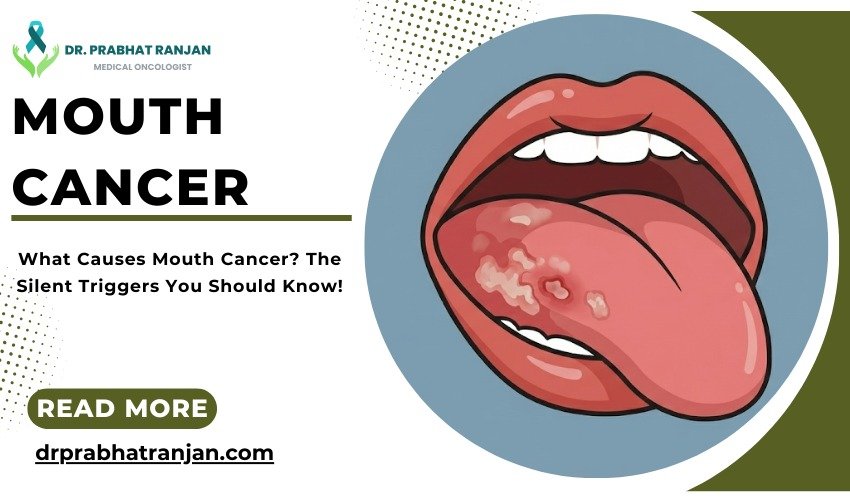
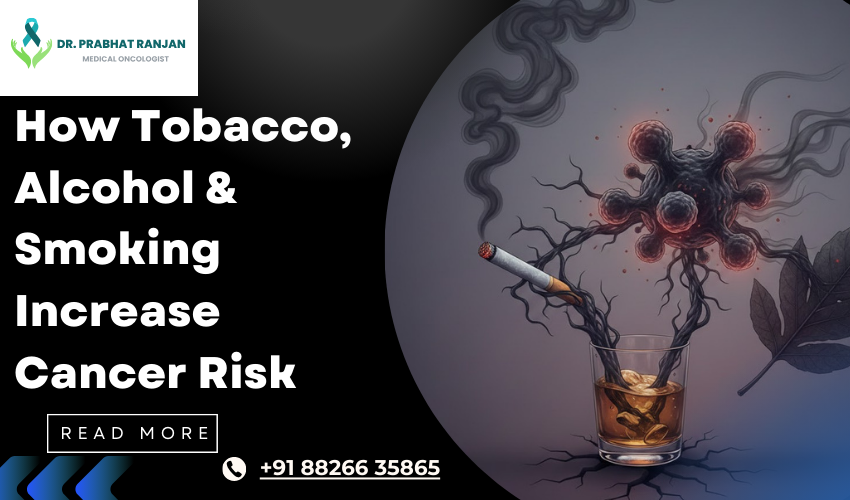
Smoking and chewing tobacco are among the leading causes of cancer. Tobacco is linked to lung cancer, oral cancer, throat cancer, bladder cancer, and many others. Passive smoking can also increase risk significantly.
Dr. Prabhat Ranjan, known as the best oncologist in greater noida, strongly advises complete avoidance of tobacco products for long-term health protection.
2. Unhealthy Diet
A diet high in processed foods, sugar, unhealthy fats, and low in fruits and vegetables can contribute to obesity and increase cancer risk. Excessive consumption of red meat and processed meat has also been associated with colorectal cancer.
A balanced diet rich in antioxidants, fiber, and fresh foods can help reduce the chances of developing cancer.
3. Lack of Physical Activity
Physical inactivity weakens the body’s immune response and increases obesity-related cancers. Regular exercise improves overall health and helps maintain hormonal balance.
Patients seeking guidance from the best oncologist in greater noida are often encouraged to adopt active lifestyles to support cancer prevention and recovery.
4. Alcohol Consumption
Excessive alcohol intake has been linked to liver cancer, breast cancer, mouth cancer, and esophageal cancer. Limiting alcohol consumption can significantly lower cancer risk.
Environmental Factors and Cancer
Apart from lifestyle habits, environmental exposure can also contribute to cancer development.
Pollution and Toxic Chemicals
Air pollution, industrial chemicals, pesticides, and exposure to harmful substances may damage DNA and increase cancer risk over time. People working in chemical industries or polluted environments should undergo regular health screenings.
Radiation Exposure
Prolonged exposure to ultraviolet (UV) rays from sunlight can increase the risk of skin cancer. Similarly, unnecessary exposure to radiation without medical supervision can also affect cellular health.
The best oncologist in greater noida recommends regular use of sunscreen, protective clothing, and avoiding excessive sun exposure during peak hours.
Viral Infections
Certain infections can increase cancer risk. Human Papillomavirus (HPV) may lead to cervical cancer, while Hepatitis B and C can increase liver cancer risk. Vaccination and regular screening play a vital role in prevention.
Can Young People Get Cancer Too?
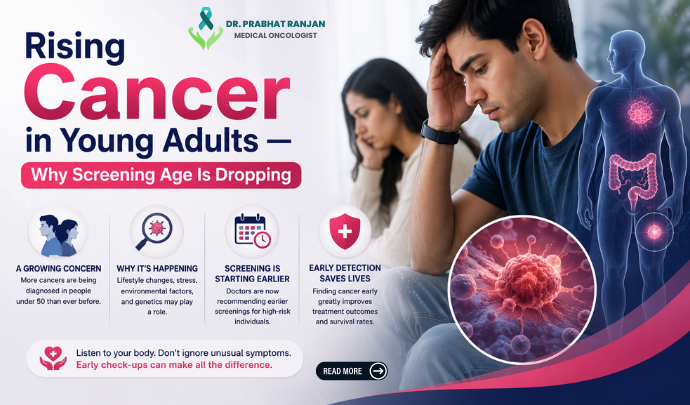
Yes, cancer can affect people of all ages. While aging increases cancer risk, unhealthy lifestyles, obesity, stress, smoking, and environmental exposure have contributed to rising cancer cases among younger adults.
Early warning signs should never be ignored. Persistent fatigue, unexplained weight loss, abnormal lumps, prolonged cough, unusual bleeding, or changes in bowel habits require medical attention. Timely consultation with the best oncologist in greater noida can lead to early diagnosis and improved treatment outcomes.
Importance of Early Detection
Many cancers are highly treatable when detected early. Regular health check-ups, cancer screenings, and awareness about symptoms can save lives.
Some important screening tests include:
- Mammography for breast cancer
- Pap smear for cervical cancer
- Colonoscopy for colorectal cancer
- Low-dose CT scan for lung cancer in high-risk individuals
Dr. Prabhat Ranjan, recognized as the best oncologist in greater noida, believes that preventive oncology and early diagnosis are key to successful cancer management.
How to Reduce Cancer Risk
Although not all cancers can be prevented, adopting healthy habits can significantly lower the risk.
Preventive Tips:
- Quit smoking and tobacco use
- Eat a healthy, balanced diet
- Exercise regularly
- Maintain healthy body weight
- Limit alcohol consumption
- Avoid unnecessary radiation exposure
- Protect skin from harmful UV rays
- Get vaccinated against HPV and Hepatitis B
- Undergo regular health screenings
Following these measures under the guidance of the best oncologist in greater noida can improve overall health and reduce cancer-related complications.
Conclusion
Cancer is not always inherited. In most cases, lifestyle choices and environmental exposure play a much larger role than genetics. Understanding these risk factors empowers individuals to make healthier decisions and seek timely medical care. Early detection, preventive screening, and healthy living remain the strongest weapons against cancer.
If you are experiencing unusual symptoms or want guidance regarding cancer prevention and treatment, consulting Dr. Prabhat Ranjan, widely regarded as the best oncologist in greater noida, can help you make informed healthcare decisions.
FAQs
1. Is every cancer hereditary?
No, only a small percentage of cancers are inherited genetically. Most cancers are linked to lifestyle and environmental factors.
2. Can non-smokers get cancer?
Yes, even non-smokers can develop cancer due to pollution, infections, genetics, or other environmental exposures.
3. How can I reduce my cancer risk?
Healthy eating, regular exercise, avoiding tobacco, limiting alcohol, and regular screenings can help reduce cancer risk.
4. When should I consult an oncologist?
If you notice persistent symptoms like lumps, unexplained weight loss, abnormal bleeding, or chronic fatigue, consult an oncologist immediately.
5. Is cancer curable if detected early?
Many cancers are highly treatable and even curable when diagnosed in the early stages.

.png)
.png)

.png)
.png)
.png)
.png)
.png)
.png)
.png)
.png)
.png)
.png)
.png)
.png)
.png)
.png)
.png)
.png)
.png)
.png)
.png)
.png)
.png)