Alcohol and Cancer: The Link Everyone's Talking About
In recent months, the conversation around alcohol and cancer has taken over social media and health news alike, with new advisories urging people to rethink their drinking habits. What was once considered a matter of "moderation" is now being questioned more seriously, as growing evidence strengthens the link between alcohol and cancer. Dr. Prabhat Ranjan, the best oncologist in Greater Noida at Fortis Hospital, breaks down what the science actually says.
Why is Alcohol and Cancer Suddenly Trending?
The renewed attention on alcohol and cancer stems from updated public health advisories and research reaffirming that no amount of alcohol consumption is entirely risk-free when it comes to cancer. This has sparked widespread discussion, as many people were unaware of just how strong the connection between alcohol and cancer truly is. The topic has resonated because it challenges long-held assumptions about "safe" drinking limits.
How Are Alcohol and Cancer Connected?
The link between alcohol and cancer isn't new to medical science, but public awareness is only now catching up. Here's how alcohol contributes to cancer risk:
- Acetaldehyde formation – When the body breaks down alcohol, it produces acetaldehyde, a toxic compound that can damage DNA and lead to cancerous changes
- Hormonal impact – Alcohol can increase estrogen levels, which is particularly relevant to the alcohol and cancer link in breast cancer
- Oxidative stress – Alcohol consumption increases free radical production, contributing to cellular damage over time
- Impaired nutrient absorption – Alcohol can reduce absorption of protective nutrients like folate, weakening the body's natural defences
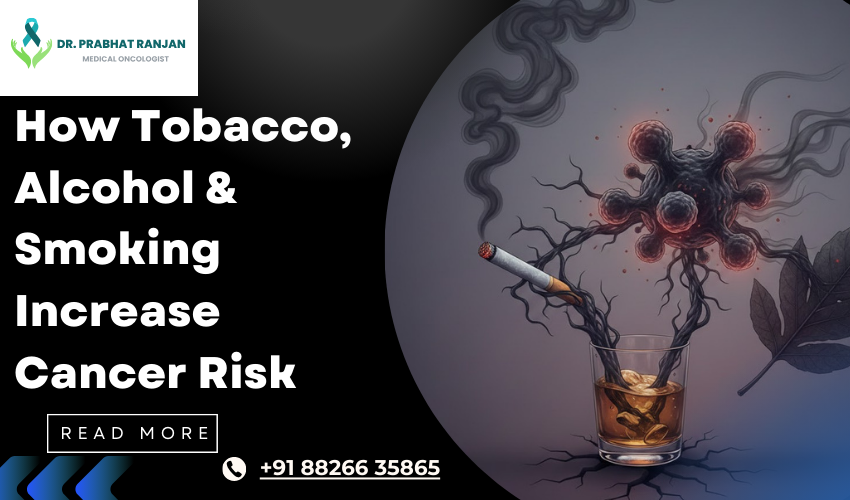
- Compounding risk factors – Alcohol and cancer risk increases further when combined with smoking or poor diet
Which Cancers Are Linked to Alcohol?
The connection between alcohol and cancer isn't limited to one type. Research has established links to several cancers, including:
- Breast cancer – Even low levels of alcohol consumption are associated with increased risk
- Liver cancer – Long-term alcohol use is a well-known risk factor
- Oesophageal cancer – Particularly strong alcohol and cancer link, especially when combined with smoking
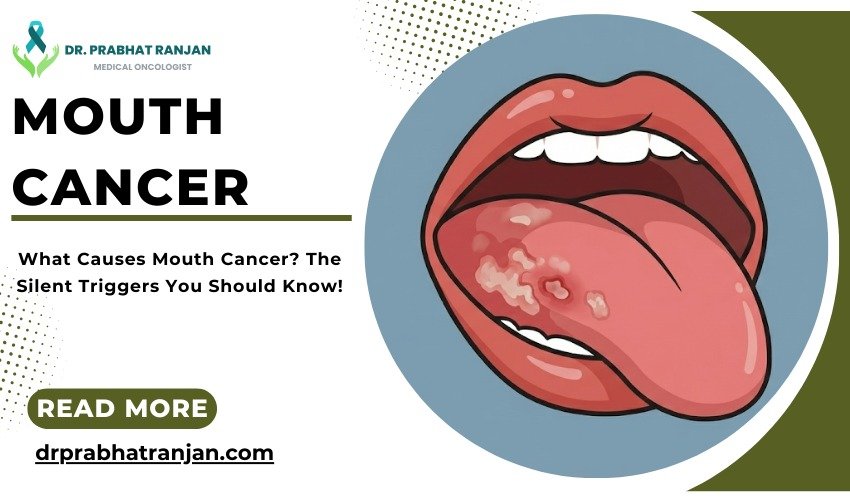
- Mouth and throat cancer – Alcohol can damage the mucous membranes, increasing susceptibility
- Colorectal cancer – Regular alcohol consumption has been associated with higher risk
Is There a "Safe" Amount of Alcohol?
One of the most debated aspects of alcohol and cancer research is whether any amount of drinking is truly safe. According to Dr. Prabhat Ranjan, current evidence suggests that cancer risk increases with the amount of alcohol consumed, and there isn't a clearly defined "safe" threshold. While occasional, minimal drinking may carry lower risk than heavy or regular consumption, the alcohol and cancer relationship is best understood as risk that increases proportionally rather than a switch that turns on only after a certain limit.
Does Quitting Alcohol Reduce Cancer Risk?
Yes — research on alcohol and cancer shows that reducing or eliminating alcohol consumption can lower cancer risk over time, though the extent depends on factors like duration and volume of prior drinking. The body has some capacity to repair cellular damage once alcohol exposure stops, making it never too late to make positive changes.
Common Myths About Alcohol and Cancer
"Red wine is protective against cancer" – While red wine contains antioxidants, the alcohol and cancer risk from ethanol itself outweighs any minor antioxidant benefit
"Only heavy drinkers are at risk" – Even moderate alcohol consumption is linked to increased cancer risk, particularly breast cancer
"Beer and wine are safer than spirits" – The type of alcoholic drink matters less than the total amount of ethanol consumed
Dr. Prabhat Ranjan's Advice on Alcohol and Cancer
As the best oncologist in Greater Noida, Dr. Prabhat Ranjan encourages patients to view the alcohol and cancer connection as an important, actionable piece of cancer prevention. He recommends reducing alcohol intake where possible, staying informed about family history, and undergoing regular screenings, especially for those with additional risk factors like smoking or a family history of cancer.
Conclusion
The growing conversation around alcohol and cancer reflects a genuine and well-supported area of medical research, not just a passing trend. Understanding this connection empowers people to make more informed choices about their drinking habits and overall cancer prevention strategy. If you have concerns about alcohol and cancer risk or want personalised guidance on cancer prevention, Dr. Prabhat Ranjan, the best oncologist in Greater Noida at Fortis Hospital, is here to provide expert care and support.
Disclaimer: This blog is for informational purposes only and does not substitute professional medical advice. Please consult Dr. Prabhat Ranjan or a qualified oncologist for guidance specific to your health.
FAQs
Q1. Does occasional social drinking increase cancer risk?
Even occasional drinking carries some risk, though it's generally lower than regular or heavy consumption.
Q2. Which cancer is most strongly linked to alcohol?
Breast, liver, and oesophageal cancers show some of the strongest links to alcohol consumption.
Q3. Can reducing alcohol intake lower my cancer risk later in life?
Yes, reducing or quitting alcohol can lower cancer risk over time, regardless of past drinking habits.

.png)

.png)


.png)

.png)


.png)
.png)
.png)

.png)
.png)
.png)
.png)
.png)
.png)
.png)
.png)
.png)
.png)
.png)
.png)
.png)
.png)
.png)
.png)