Radiation Therapy: What to Expect Before, During, and After
Introduction
Being told that you need radiation therapy can bring many questions. Will the treatment hurt? How long will each session take? What side effects should you expect? Will you be able to continue working, eating normally, or spending time with your family?
Radiation therapy is an established cancer treatment that uses high-energy radiation to destroy cancer cells or slow their growth. It may be used alone or alongside surgery, chemotherapy, immunotherapy, targeted therapy, or other cancer treatments, depending on the type and stage of cancer.
Understanding what happens before, during, and after radiation therapy can make the treatment journey easier to navigate and help patients know when to contact their cancer care team.
What Is Radiation Therapy?
Radiation therapy uses carefully planned doses of radiation to damage cancer cells. Treatment is designed to target the cancer while limiting radiation exposure to surrounding healthy tissues as much as possible.
There are two broad forms of radiation therapy: external beam radiation therapy and internal radiation therapy. External beam treatment delivers radiation from a machine outside the body, while internal radiation involves placing a radiation source inside or near the treatment area.
The type recommended depends on factors such as the cancer type, tumor size and location, overall health, previous treatments, and treatment goals.
Consulting the best medical oncologist in Greater Noida can help patients understand how radiation fits into their overall cancer treatment plan, particularly when multiple treatment approaches are being considered.
Before Radiation Therapy: Consultation and Evaluation
Radiation treatment begins well before the first actual session.
Your cancer care team will review your diagnosis, medical history, imaging results, previous treatments, current medications, and overall health. The potential benefits, possible side effects, and goals of radiation therapy should also be discussed.
Radiation may be recommended to:
- Treat or control a localized cancer
- Reduce the risk of cancer returning after surgery
- Shrink a tumor before another treatment
- Work alongside chemotherapy or other therapies
- Relieve symptoms caused by advanced cancer
The exact purpose varies from patient to patient.
What Is Radiation Simulation?
Before external beam radiation begins, patients usually undergo a treatment-planning procedure called simulation.
During simulation, imaging such as CT—and sometimes other imaging—is used to identify the precise treatment area. The radiation oncology team uses this information to design an individualized treatment plan.
Patients may also receive small skin markings or tattoos to help reproduce the same position during each treatment session.
For certain treatment areas, customized positioning devices may be created. For example, patients receiving radiation around the head or neck may use a specially fitted mask to help keep the head in the correct position.
These planning steps help the radiation team deliver treatment accurately.
Preparing for Your First Radiation Session
Your healthcare team will provide instructions based on the part of your body being treated.
In general, patients should inform their team about all prescription medicines, supplements, and other treatments they are taking. Do not start supplements or make major dietary changes specifically for radiation treatment without discussing them with your cancer team.
Comfortable clothing can make treatment visits easier, particularly if the treatment area needs to be exposed.
Good nutrition, adequate hydration, rest, and appropriate physical activity may also help patients manage treatment, although individual recommendations can vary significantly.
Coordination with the best medical oncologist in Greater Noida may be especially valuable for patients receiving radiation together with chemotherapy, immunotherapy, targeted therapy, or other systemic treatments.
What Happens During Radiation Therapy?
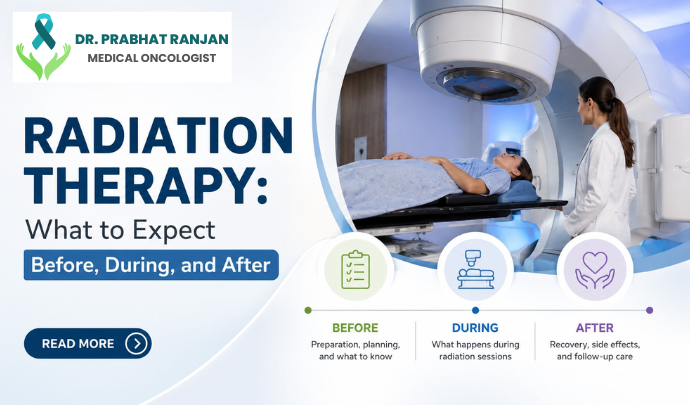
External beam radiation is usually delivered in a specialized treatment room using a machine such as a linear accelerator.
You will lie on a treatment table while the radiation therapists carefully position you according to your treatment plan. The machine may move around you to deliver radiation from different angles, but it does not normally touch you.
The radiation itself cannot be seen or felt.
During radiation delivery, the therapist leaves the room but continues monitoring you through cameras and communication equipment. If you become uncomfortable, you can communicate with the treatment team.
The actual radiation delivery may take only a few minutes, although the complete appointment can take longer because accurate positioning is essential.
Does Radiation Therapy Hurt?
External beam radiation therapy itself is generally painless. You do not feel the radiation entering the body.
However, side effects can develop during the treatment course because radiation can also affect healthy cells near the treatment area.
Another common concern is whether a patient becomes radioactive after treatment. External beam radiation therapy does not make the patient radioactive, so patients can generally be around family members after a session.
Certain forms of internal or systemic radiation therapy may require specific safety precautions, so patients receiving those treatments should follow the instructions provided by their radiation team.
How Many Radiation Sessions Are Needed?
There is no standard number of sessions for every cancer.
Some patients require only a few treatments, while others receive radiation over several weeks. Traditional external beam schedules are often delivered five days per week, although modern radiation schedules can differ substantially.
The number of sessions depends on factors including:
- Type of cancer
- Tumor location
- Treatment goal
- Total radiation dose
- Radiation technique
- Previous or concurrent cancer treatments
Patients should follow their individualized treatment schedule rather than comparing it with another person's cancer treatment.
Common Side Effects of Radiation Therapy
Side effects vary depending on the treatment area, radiation dose, schedule, and individual patient factors.
Fatigue is one of the most commonly reported effects of radiation therapy. Other side effects are strongly related to the area being treated.
Possible effects can include:
- Fatigue
- Skin changes in the treated area
- Hair loss limited to the treatment area
- Nausea or digestive problems with certain treatment sites
- Mouth or swallowing problems during some head and neck treatments
- Bowel or bladder changes with some abdominal or pelvic treatments
Not every patient experiences every side effect, and severity can differ considerably.
Report symptoms to your healthcare team rather than assuming they simply have to be tolerated. Many treatment-related problems can be monitored or managed.
Taking Care of Yourself During Treatment
Radiation therapy can become physically and emotionally tiring, especially when treatment continues for several weeks.
Try to maintain regular meals and adequate hydration according to your medical team's recommendations. Rest when necessary while maintaining suitable activity if your doctor permits it.
Skin within the radiation field may become sensitive. Avoid applying new creams, oils, powders, or other products to the treatment area unless your radiation team has approved them.
Patients receiving multiple forms of cancer therapy should maintain regular communication with the best medical oncologist in Greater Noida and the wider oncology team so that side effects, blood tests, medications, and treatment responses can be monitored appropriately.
What Happens After Radiation Therapy?
Finishing the final radiation session is an important milestone, but recovery does not necessarily happen immediately.
Some side effects can continue temporarily after treatment ends. Healthy cells affected by radiation often recover over time, although some patients can experience longer-lasting or delayed effects depending on the treatment site and other factors.
Follow-up appointments may include physical examinations, symptom assessment, blood tests, and imaging when appropriate.
These visits help doctors evaluate treatment response, monitor recovery, identify complications, and determine whether additional cancer treatment is needed.
Can Radiation Cause Long-Term Side Effects?
Radiation therapy can occasionally cause late effects that develop months or years after treatment.
The likelihood depends on factors including the area treated, radiation dose, other cancer therapies, individual health factors, and smoking history.
Patients should therefore keep their scheduled oncology follow-ups even if they feel completely well after treatment.
New or persistent symptoms should be discussed with the treating team rather than automatically being attributed to previous cancer treatment.
Emotional Recovery Matters Too
Cancer treatment affects more than physical health. Anxiety before scans, fear of recurrence, uncertainty about the future, changes in appearance, and fatigue can all affect emotional well-being.
Support from family, friends, counselors, psychologists, cancer support groups, and healthcare professionals can be valuable during recovery.
The goal of cancer care is not simply completing radiation sessions but supporting the patient's overall health and quality of life throughout treatment and beyond.
Conclusion
Radiation therapy is a carefully planned cancer treatment, and knowing what happens at each stage can reduce uncertainty.
Before treatment, patients undergo consultation and detailed planning. During external beam treatment, precise positioning helps radiation reach the intended area while limiting exposure to surrounding tissues. After treatment, follow-up remains important because side effects can take time to improve and some delayed effects require monitoring.
Working closely with the best medical oncologist in Greater Noida, radiation oncologist, and multidisciplinary cancer care team can help ensure that each stage of treatment is coordinated according to the patient's diagnosis, treatment goals, and overall health.
Frequently Asked Questions
1. Is radiation therapy painful?
External beam radiation itself is generally painless, although treatment-related side effects can develop over time.
2. Will I become radioactive after radiation therapy?
External beam radiation does not make you radioactive. Some internal or systemic radiation treatments may require temporary precautions.
3. How long does a radiation therapy session take?
Radiation delivery may take only a few minutes, but the overall appointment can be longer because of careful positioning and setup.
4. Can I work during radiation therapy?
Some patients can continue working, while others need reduced hours or time off depending on fatigue, side effects, and treatment intensity.
5. How long do radiation side effects last?
It varies. Many effects improve after treatment, while some can persist or appear later, making follow-up care important.


.png)

.png)

.png)


.png)
.png)
.png)

.png)
.png)
.png)
.png)
.png)
.png)
.png)
.png)
.png)
.png)
.png)
.png)
.png)
.png)


.png)
.png)
.png)