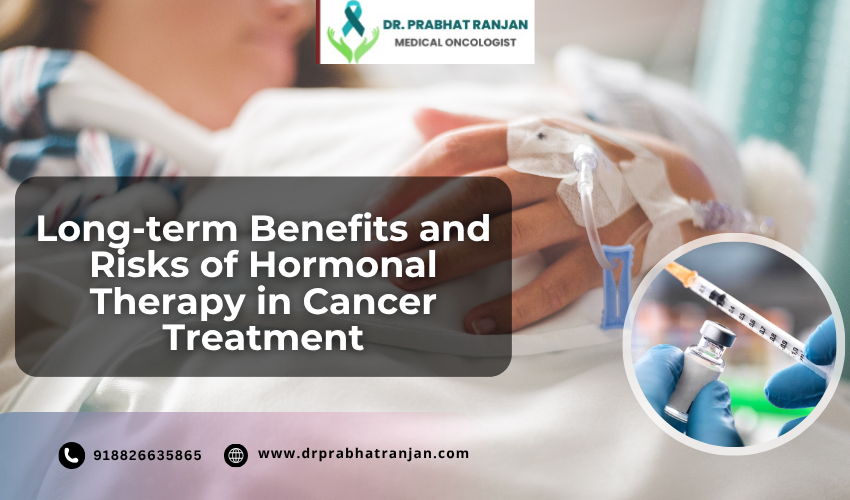
Long-term Benefits and Risks of Hormonal Therapy in Cancer Treatment | Dr. Prabhat Ranjan
Hormonal therapy, also known as endocrine therapy, is a cornerstone in the treatment of hormone-sensitive cancers like breast cancer and prostate cancer. This therapy works by blocking or lowering hormones in the body that fuel cancer growth. While its benefits are significant, understanding its long-term effects is crucial for every patient.
Dr. Prabhat Ranjan, the best medical oncologist in Greater Noida, emphasizes that personalized care and regular monitoring can maximize the therapy's benefits while minimizing potential risks.
What is Hormonal Therapy?
Hormonal therapy targets specific hormones, such as estrogen, progesterone, and testosterone, which can promote cancer cell growth. Depending on the type of cancer and its stage, hormonal therapy may be used:
● Before surgery to shrink tumors
● After surgery to prevent recurrence
● As a long-term treatment to control advanced or metastatic cancer
Patients often combine hormonal therapy with other treatments like chemotherapy, targeted therapy, or surgery under the guidance of the best medical oncologist in Greater Noida.
Long-term Benefits of Hormonal Therapy
1. Reduces Cancer Recurrence
Studies show that patients who undergo hormonal therapy for 5–10 years have significantly lower rates of cancer recurrence. Dr. Prabhat Ranjan, the best medical oncologist in Greater Noida, notes that this is especially true for hormone receptor-positive breast cancer.
2. Slows Cancer Progression
Hormonal therapy can slow the growth of advanced or metastatic cancers, giving patients a better quality of life and extended survival.
3. Non-invasive and Well-tolerated
Compared to aggressive treatments like chemotherapy, hormonal therapy is generally well-tolerated and non-invasive, making it easier for long-term administration.
4. Combination Benefits
When combined with other therapies, hormonal therapy can enhance overall treatment effectiveness. According to the best medical oncologist in Greater Noida, personalized combination therapy often yields better outcomes.
Long-term Risks of Hormonal Therapy
While hormonal therapy is effective, patients should be aware of potential long-term risks:
1. Bone Health Issues
Reduced hormone levels may lead to osteoporosis or increased fracture risk. Regular bone density checks are essential.
2. Cardiovascular Concerns
Hormonal therapy, especially in prostate cancer, can slightly increase the risk of heart disease or stroke.
3. Menopausal Symptoms
In breast cancer patients, therapy may cause hot flashes, mood changes, and fatigue, which can persist long-term.
4. Other Side Effects
Patients may experience weight gain, reduced libido, or muscle weakness over extended treatment periods.
Dr. Prabhat Ranjan, the best medical oncologist in Greater Noida, stresses that early intervention, lifestyle adjustments, and regular check-ups can manage these risks effectively.
Monitoring and Follow-Up
Long-term hormonal therapy requires regular monitoring to ensure safety and effectiveness. Common follow-up steps include:
● Blood tests to monitor hormone levels
● Bone density scans
● Cardiovascular health evaluations
● Symptom tracking and lifestyle counseling
These steps help patients continue treatment safely while minimizing complications.
Tips for Patients on Hormonal Therapy
● Stay physically active to support bone and heart health
● Eat a balanced diet rich in calcium and vitamin D
● Report new symptoms promptly to your oncologist
● Follow your treatment schedule consistently for maximum benefit
With guidance from the best medical oncologist in Greater Noida, patients can enjoy a safe and effective treatment journey.
Conclusion
Hormonal therapy is a powerful tool in the fight against hormone-sensitive cancers. While the long-term benefits include reduced recurrence and improved survival, awareness of potential risks ensures patients can manage them effectively. Consulting an experienced oncologist like Dr. Prabhat Ranjan, the best medical oncologist in Greater Noida, ensures a personalized and safe treatment plan tailored to your needs.
Stay informed, stay proactive, and take control of your cancer journey.
FAQs
Q1: How long does hormonal therapy last?
A1: Depending on cancer type, it may last 5–10 years, or longer for advanced cases.
Q2: Can hormonal therapy cure cancer?
A2: It may not cure cancer on its own but significantly reduces recurrence and slows progression, especially in hormone-sensitive cancers.
Q3: Are there natural alternatives to hormonal therapy?
A3: No natural alternatives replace hormonal therapy, but diet, exercise, and lifestyle can support overall treatment outcomes.
Q4: Is hormonal therapy suitable for all cancer patients?
A4: No, it is primarily for hormone receptor-positive cancers like certain breast and prostate cancers.
Q5: How can I minimize side effects?
A5: Regular monitoring, lifestyle adjustments, and prompt reporting of symptoms to your oncologist help reduce long-term side effects.


.png)

.png)

.png)

.png)
.png)
.png)

.png)
.png)
.png)
.png)
.png)
.png)
.png)
.png)
.png)
.png)
.png)
.png)
.png)
.png)
.png)
.png)
.png)