Many Cancers Start Without Pain — Early Detection Is Your Best Defense
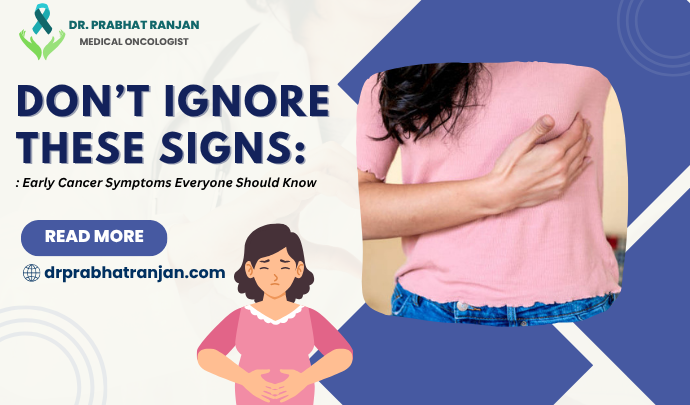
One of the biggest misconceptions about cancer is that it always causes pain in its early stages. In reality, many cancers begin silently, without noticeable discomfort or warning signs. By the time symptoms such as pain appear, the disease may have already progressed. This is why early detection is not just important—it can be life-saving.
Understanding how cancer develops and recognizing subtle warning signs can significantly improve survival rates. Consulting the best medical oncologist in Greater Noida at the earliest stage ensures timely diagnosis, appropriate testing, and personalized treatment planning.
Why Early-Stage Cancer Often Has No Pain
Pain usually occurs when cancer:
- Presses on nerves
- Blocks an organ
- Causes inflammation
- Spreads to surrounding tissues
In the early stages, many tumors are small and confined to one area. They may not interfere with nearby nerves or organs, which means no pain or obvious symptoms are felt. This silent progression makes routine screening and medical awareness essential.
Regular health check-ups with the best medical oncologist in Greater Noida can help detect abnormalities even before symptoms appear.
Common Cancers That Often Start Silently
Several types of cancer are known to develop without pain in their early stages:
1. Breast Cancer
Early breast cancer may not cause pain. It is often detected through self-examination or routine mammography.
2. Colon Cancer
Early colon cancer may cause minor changes in bowel habits but no pain.
3. Lung Cancer
Early lung cancer may present only mild symptoms like a persistent cough, which is often ignored.
4. Prostate Cancer
Prostate cancer frequently develops without symptoms in its early phase.
5. Ovarian Cancer
Often called the “silent cancer,” early symptoms may be vague, such as bloating or mild discomfort.
Early consultation with the best medical oncologist in Greater Noida ensures these cancers are identified at a treatable stage.
Subtle Warning Signs You Should Not Ignore
While early cancer may not cause pain, it can produce subtle signs such as:
- Unexplained weight loss
- Persistent fatigue
- Changes in bowel or bladder habits
- Lumps or unusual swelling
- Abnormal bleeding
- Persistent cough
- Difficulty swallowing
Even if these symptoms seem minor, it is important to seek evaluation from the best medical oncologist in Greater Noida for proper screening.
Importance of Cancer Screening
Screening tests are designed to detect cancer before symptoms develop. Some commonly recommended screenings include:
- Mammography for breast cancer
- Pap smear for cervical cancer
- Colonoscopy for colon cancer
- PSA testing for prostate cancer
- Low-dose CT scan for high-risk lung cancer patients
Screening can detect precancerous changes or very early tumors when treatment is most effective. Timely screening guided by the best medical oncologist in Greater Noida significantly improves outcomes.
How Early Detection Improves Survival
Early-stage cancer is often:
- Easier to treat
- Less likely to have spread
- Associated with higher survival rates
- Managed with less aggressive treatment
For example, stage 1 cancers often have significantly better survival outcomes compared to advanced-stage cancers. Seeking guidance from the best medical oncologist in Greater Noida at the earliest suspicion can dramatically improve prognosis.
Risk Factors That Increase Cancer Risk
Certain individuals are at higher risk and should be more vigilant:
- Family history of cancer
- Smoking or tobacco use
- Obesity
- Sedentary lifestyle
- Unhealthy diet
- Exposure to environmental toxins
- Chronic infections
If you have one or more risk factors, regular monitoring with the best medical oncologist in Greater Noida is highly recommended.
Breaking the “No Pain Means No Problem” Myth
Many patients delay medical consultation because they assume that absence of pain means absence of disease. This mindset can be dangerous. Cancer does not always announce itself loudly. In many cases, it develops quietly over months or years.
Raising awareness and encouraging preventive health check-ups with the best medical oncologist in Greater Noida can save lives.
When Should You See an Oncologist?
You should consult a specialist if you:
- Notice unexplained physical changes
- Have persistent symptoms lasting more than two weeks
- Have a strong family history of cancer
- Are above 40 and have not undergone routine screening
- Feel something is “not normal” in your body
Early evaluation by the best medical oncologist in Greater Noida ensures accurate diagnosis and peace of mind.
Prevention and Healthy Lifestyle
While not all cancers can be prevented, adopting healthy habits reduces risk:
- A balanced diet rich in fruits and vegetables
- Regular exercise
- Avoiding tobacco
- Limiting alcohol
- Maintaining a healthy weight
- Regular health screenings
Prevention and early detection go hand in hand in fighting cancer effectively.
Conclusion
Cancer does not always cause pain in its early stages. Many types begin silently, making routine screening and awareness critical. Waiting for pain or severe symptoms can delay diagnosis and reduce treatment success. Early detection remains the most powerful defense against cancer. By consulting the best medical oncologist in Greater Noida, individuals can benefit from timely screening, accurate diagnosis, and personalized treatment strategies that significantly improve outcomes and survival.
FAQs
1. Can cancer start without pain?
Yes, many cancers develop without causing pain in the early stages.
2. Why is early detection important in cancer?
Early detection increases survival rates and allows less aggressive treatment.
3. What are early signs of cancer?
Unexplained weight loss, fatigue, lumps, abnormal bleeding, or persistent symptoms.
4. Which cancers commonly start without symptoms?
Breast, prostate, colon, lung, and ovarian cancers often begin silently.
5. How often should I get screened for cancer?
Screening frequency depends on age and risk factors. Consult a specialist for personalized advice.


.png)

.png)
.png)
.png)
.png)
.png)
.png)
.png)
.png)
.png)
.png)
.png)
.png)
.png)
.png)
.png)
.png)
.png)
.png)
.png)

.png)
.png)
.png)