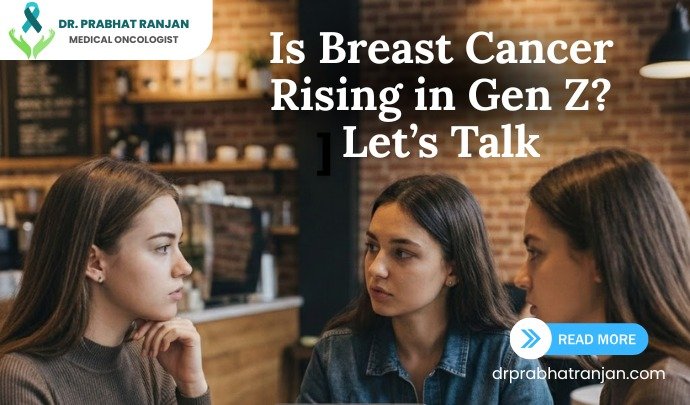
Is Breast Cancer Rising in Gen Z? Let’s Talk
Breast cancer has traditionally been associated with women over the age of 40. However, in recent years, doctors and researchers have observed a concerning trend—breast cancer cases are being diagnosed at younger ages, including among Gen Z (individuals born after 1997). This shift has raised important questions about risk factors, lifestyle influences, and the need for early awareness.
At Dr. Prabhat Ranjan’s clinic, increasing numbers of young patients and families are seeking clarity about cancer risk, early symptoms, and prevention. Consulting the best medical oncologist in Greater Noida plays a crucial role in understanding these emerging patterns and ensuring timely care.
Is Breast Cancer Really Increasing in Gen Z?
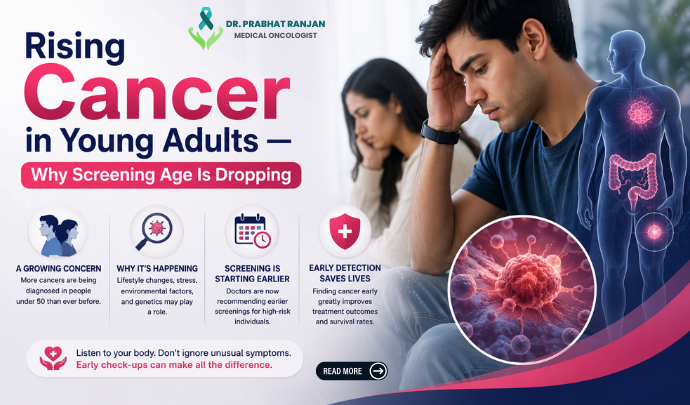
While breast cancer is still less common in Gen Z compared to older age groups, studies worldwide show a gradual rise in early-onset breast cancer cases. This does not mean every young person is at high risk, but it does highlight the importance of awareness and early evaluation.
Experts believe this increase is linked to a combination of genetic, hormonal, environmental, and lifestyle factors. Early consultation with the best medical oncologist in Greater Noida helps assess individual risk and provides appropriate screening guidance.
Possible Reasons Behind the Rising Trend
1. Lifestyle Changes
Modern lifestyles have changed significantly over the past few decades. Factors such as:
- Sedentary habits
- Increased screen time
- High-fat and processed diets
- Obesity at younger ages
have all been linked to increased cancer risk. These lifestyle patterns may contribute to hormonal changes that affect breast tissue.
2. Hormonal Influences
Early onset of menstruation, delayed childbirth, and reduced breastfeeding rates can increase lifetime estrogen exposure, which is a known risk factor for breast cancer.
Understanding hormonal risk factors with the guidance of the best medical oncologist in Greater Noida allows for personalized risk management.
3. Genetic Factors
Certain inherited gene mutations, such as BRCA1 and BRCA2, significantly increase the risk of developing breast cancer at a young age. Gen Z individuals with a strong family history of breast or ovarian cancer should consider genetic counseling.
The best medical oncologist in Greater Noida can guide patients on whether genetic testing is appropriate.
4. Environmental Exposure
Exposure to endocrine-disrupting chemicals found in plastics, cosmetics, and polluted environments may also play a role in increasing cancer risk, especially when exposure begins early in life.
How Breast Cancer in Younger Patients Is Different
Breast cancer in younger individuals may behave differently compared to older patients. It is often:
- More aggressive
- Diagnosed at a later stage due to low suspicion
- Associated with distinct genetic patterns
This makes early awareness and expert evaluation by the best medical oncologist in Greater Noida especially important.
Warning Signs Gen Z Should Not Ignore
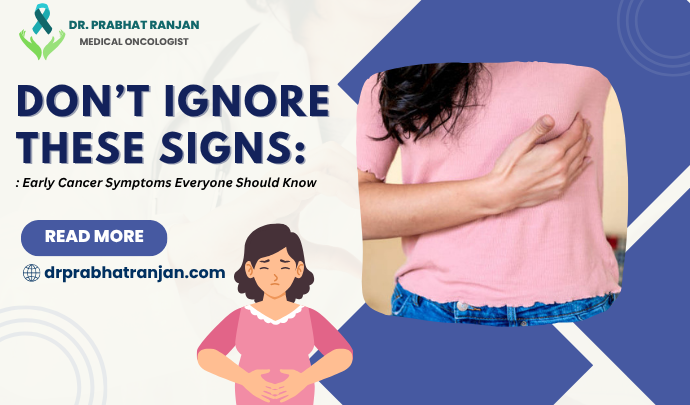
Although routine screening is not usually recommended at a very young age, symptom awareness is crucial. Warning signs include:
- A lump in the breast or underarm
- Changes in breast size or shape
- Skin dimpling or redness
- Nipple discharge or inversion
- Persistent breast pain
Any of these symptoms should prompt immediate medical consultation.
Should Gen Z Get Screened for Breast Cancer?
Routine mammography is not recommended for Gen Z unless there are high-risk factors. However, self-awareness and clinical evaluation are key.
High-risk individuals may benefit from:
- Earlier imaging
- Ultrasound or MRI
- Genetic counseling
A personalized screening plan developed by the best medical oncologist in Greater Noida ensures appropriate and safe monitoring.
Role of Early Diagnosis and Modern Treatment
Early detection significantly improves treatment outcomes. Advances in oncology have made breast cancer treatment more targeted and effective, even in younger patients.
Treatment options may include:
- Surgery
- Chemotherapy
- Targeted therapy
- Hormonal therapy
The choice of treatment depends on cancer type, stage, and patient factors. Management under a best medical oncologist in Greater Noida ensures evidence-based and individualized care.
Emotional and Psychological Impact on Young Patients
A cancer diagnosis at a young age can be emotionally overwhelming. Concerns about fertility, career, body image, and long-term health are common.
Comprehensive cancer care includes emotional support, counseling, and survivorship planning, all of which are integral aspects of treatment guided by the best medical oncologist in Greater Noida.
What Can Gen Z Do to Reduce Risk?
While not all risk factors are preventable, some steps can help lower risk:
- Maintaining a healthy weight
- Staying physically active
- Eating a balanced diet
- Avoiding smoking and excessive alcohol use
- Knowing family history
- Seeking medical advice for unusual symptoms
Preventive guidance from the best medical oncologist in Greater Noida helps young individuals make informed health decisions.
Conclusion
Breast cancer in Gen Z is still uncommon, but the rising trend cannot be ignored. Increased awareness, lifestyle changes, genetic factors, and early symptom recognition all play vital roles in prevention and early diagnosis. Education and timely medical guidance are the strongest tools in addressing this concern. Consulting the best medical oncologist in Greater Noida, like Dr. Prabhat Ranjan, ensures expert evaluation, compassionate care, and access to advanced cancer treatment when needed.
FAQs
1. Is breast cancer common in Gen Z?
It is still rare, but cases are gradually increasing, making awareness important.
2. Why are younger people getting breast cancer?
Lifestyle changes, genetics, hormonal factors, and environmental exposure may contribute.
3. Should Gen Z worry about breast cancer?
There is no need to panic, but being informed and aware of symptoms is essential.
4. Who is at higher risk of early breast cancer?
Individuals with a family history or genetic mutations are at higher risk.
5. Do young people need regular breast cancer screening?
Routine screening is not required unless risk factors are present.
6. Can breast cancer in young patients be treated successfully?
Yes, early diagnosis and modern treatments lead to good outcomes.
7. Who should I consult for breast cancer concerns in Greater Noida?
You should consult the best medical oncologist in Greater Noida for expert evaluation and care


.png)

.png)

.png)

.png)
.png)
.png)
.png)
.png)
.png)
.png)
.png)
.png)
.png)
.png)
.png)
.png)
.png)
.png)
.png)
.png)
.png)
.png)
.png)