What Is CAR-T Cell Therapy? A Revolutionary Advance in Cancer Treatment
Cancer treatment has evolved significantly over the years, bringing new hope to patients through advanced and targeted therapies. One of the most revolutionary developments in modern oncology is CAR-T Cell Therapy, an innovative treatment that uses the body’s own immune system to fight cancer. This advanced form of immunotherapy has shown remarkable success in treating certain blood cancers, especially in patients who did not respond well to conventional treatments.
Dr. Prabhat Ranjan, known as the best cancer specialist in greater noida, explains that CAR-T Cell Therapy represents a major breakthrough in personalized cancer care. It offers new possibilities for patients by helping the immune system identify and destroy cancer cells more effectively.
What Is CAR-T Cell Therapy?
CAR-T Cell Therapy stands for Chimeric Antigen Receptor T-cell Therapy. It is a specialized immunotherapy in which a patient’s own immune cells, called T-cells, are modified in a laboratory to recognize and attack cancer cells.
The best cancer specialist in greater noida explains that after modification, these enhanced T-cells are reintroduced into the patient’s body, where they actively target cancer cells and help control the disease.
How Does CAR-T Cell Therapy Work?
The process begins by collecting T-cells from the patient’s blood. These cells are then genetically modified in a laboratory to create special receptors called CARs (Chimeric Antigen Receptors).
Once prepared, the modified T-cells are multiplied and infused back into the patient’s body. The best cancer specialist in greater noida explains that these engineered cells can now identify and attack cancer cells more precisely than normal immune cells.
Why CAR-T Cell Therapy Is Considered Revolutionary
Traditional cancer treatments such as chemotherapy and radiation target rapidly dividing cells, which can also affect healthy tissues. CAR-T Cell Therapy is different because it is highly targeted and designed specifically to attack cancer cells.
According to the best cancer specialist in greater noida, this personalized approach has shown promising results in patients with certain aggressive or treatment-resistant cancers.
Which Cancers Can Be Treated with CAR-T Cell Therapy?
CAR-T Cell Therapy is mainly used for certain blood cancers, including leukemia, lymphoma, and multiple myeloma. It is especially beneficial for patients whose cancer has returned after standard treatment or has not responded adequately.
The best cancer specialist in greater noida explains that research is ongoing to expand the use of CAR-T therapy for additional types of cancers in the future.
Benefits of CAR-T Cell Therapy
One of the major advantages of CAR-T therapy is its ability to provide targeted cancer treatment using the body’s own immune system. Many patients who had limited treatment options have experienced positive outcomes with this therapy.
The best cancer specialist in greater noida highlights that CAR-T therapy may reduce the need for repeated chemotherapy in selected cases and can sometimes provide long-term remission.
Personalized Cancer Treatment
CAR-T Cell Therapy is an example of personalized medicine because the treatment is customized for each patient individually. Since the therapy uses the patient’s own immune cells, it is specifically designed for their cancer condition.
The best cancer specialist in greater noida explains that personalized treatment is becoming increasingly important in modern oncology because every cancer behaves differently.
The Procedure and Treatment Process
The treatment process usually involves several steps, including blood collection, laboratory modification of T-cells, chemotherapy preparation, and infusion of modified cells back into the body.
The best cancer specialist in greater noida explains that patients are carefully monitored during and after treatment to manage side effects and evaluate response.
Possible Side Effects of CAR-T Therapy
Like all cancer treatments, CAR-T Cell Therapy can have side effects. Some patients may experience fever, fatigue, low blood pressure, breathing difficulties, or neurological symptoms.
The best cancer specialist in greater noida emphasizes that side effects are manageable in specialized medical centers with proper monitoring and supportive care.
Cytokine Release Syndrome (CRS)
One of the most common side effects of CAR-T therapy is Cytokine Release Syndrome, where the immune system becomes highly activated. Symptoms may include fever, chills, weakness, and low blood pressure.
The best cancer specialist in greater noida explains that early identification and prompt medical management are essential for patient safety.
Importance of Expert Medical Supervision
CAR-T Cell Therapy is a highly advanced treatment that requires experienced oncology teams and specialized medical facilities. Proper patient selection and close monitoring are extremely important.
The best cancer specialist in greater noida advises patients to discuss all treatment options thoroughly with an experienced oncologist before starting therapy.
How CAR-T Therapy is Changing Cancer Care
CAR-T therapy has changed the outlook for many cancer patients, especially those with relapsed or difficult-to-treat blood cancers. The therapy has opened new possibilities where conventional treatments had limited success.
The best cancer specialist in greater noida believes that continued research and technological advancement will further improve the effectiveness and accessibility of CAR-T therapy in the coming years.
Is CAR-T Cell Therapy Suitable for Everyone?
Not every patient is eligible for CAR-T Cell Therapy. Doctors evaluate factors such as cancer type, stage, overall health, previous treatments, and immune system condition before recommending this treatment.
The best cancer specialist in greater noida explains that individualized treatment planning is necessary to ensure the best possible outcomes.
Future of Immunotherapy in Cancer Treatment
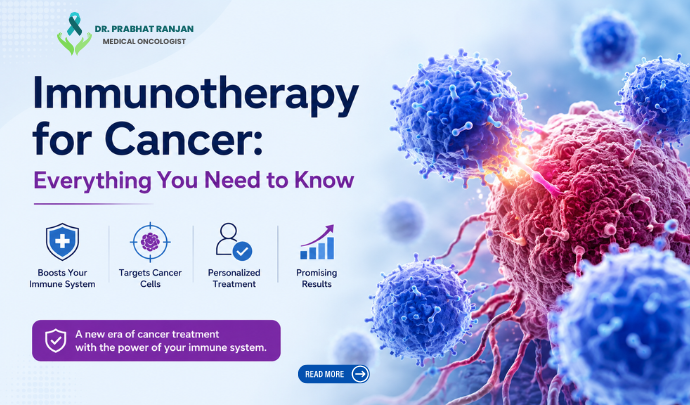
Immunotherapy is becoming one of the most promising fields in oncology. Researchers are continuously exploring ways to improve CAR-T technology and develop new immune-based therapies for solid tumors and other cancers.
The best cancer specialist in greater noida highlights that the future of cancer care is moving toward more targeted, precise, and patient-centered treatment approaches.
Emotional and Psychological Support During Treatment
Advanced cancer treatments can sometimes feel overwhelming for patients and families. Emotional support, counseling, and clear communication with healthcare providers are important throughout the treatment journey.
The best cancer specialist in greater noida encourages patients to stay informed, ask questions, and maintain a positive support system during cancer care.
Conclusion
CAR-T Cell Therapy is one of the most groundbreaking advancements in modern cancer treatment. By using the body’s own immune system to fight cancer, this innovative therapy has provided hope to many patients with difficult-to-treat blood cancers. Its targeted and personalized approach represents a major shift in the future of oncology care.
Dr. Prabhat Ranjan, recognized as the best cancer specialist in greater noida, emphasizes that advancements like CAR-T therapy are transforming cancer treatment and improving patient outcomes. With proper medical guidance, timely diagnosis, and access to advanced care, many patients today have greater hope for recovery and long-term survival.
FAQs
1. What is CAR-T Cell Therapy?
It is an advanced immunotherapy that modifies immune cells to fight cancer.
2. Which cancers are treated with CAR-T therapy?
It is mainly used for certain blood cancers like leukemia and lymphoma.
3. Is CAR-T therapy different from chemotherapy?
Yes, CAR-T therapy specifically targets cancer cells using immune cells.
4. Are there side effects of CAR-T therapy?
Yes, but they can often be managed with proper medical supervision.
5. Is CAR-T Cell Therapy suitable for all cancer patients?
No, eligibility depends on the patient’s condition and cancer type.

.png)

.png)

.png)


.png)

.png)
.png)
.png)

.png)
.png)
.png)
.png)
.png)
.png)
.png)
.png)
.png)
.png)
.png)
.png)
.png)
.png)
.png)
.png)