Loss of Appetite During Cancer Treatment: Causes, Care & Management
Loss of appetite is a common challenge faced by patients undergoing cancer treatment. Whether it is chemotherapy, radiation therapy, or surgery, many patients experience reduced hunger, changes in taste, or difficulty eating. This can lead to weight loss, weakness, and slower recovery if not managed properly.
Dr. Prabhat Ranjan, widely regarded as the Best oncologist in greater noida, explains that nutrition plays a vital role in cancer care. Managing appetite loss effectively helps patients maintain strength, tolerate treatment better, and improve overall quality of life.
Why Does Appetite Loss Occur During Cancer Treatment?
Cancer and its treatment can affect the body in multiple ways, leading to reduced appetite. Some common reasons include:
- Side effects of chemotherapy
- Radiation therapy effects
- Changes in taste and smell
- Nausea and vomiting
- Fatigue and weakness
- Emotional stress or depression
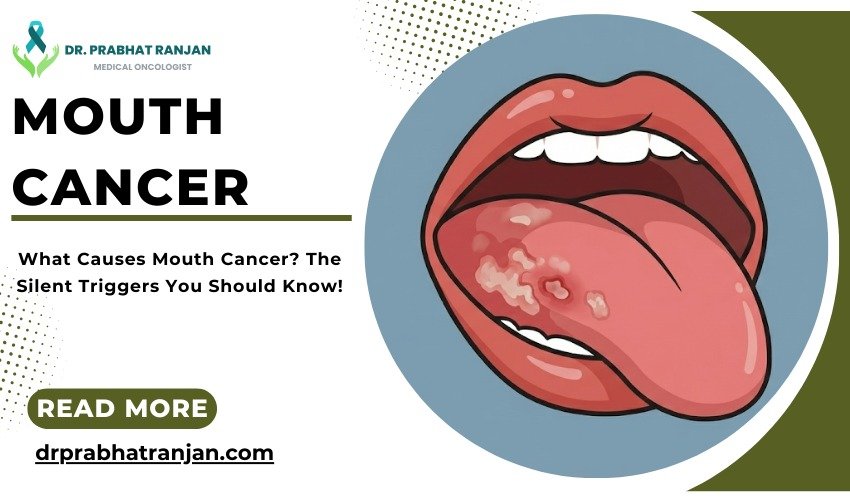
- Mouth sores or difficulty swallowing
The Best oncologist in greater noida emphasizes that identifying the cause is the first step in managing appetite loss.
Common Symptoms Associated with Appetite Loss
Patients experiencing appetite loss may notice:
- Feeling full quickly
- Disinterest in food
- Weight loss
- Weakness and fatigue
- Altered taste (metallic or bitter taste)
- Nausea while eating
The Best oncologist in greater noida advises patients to report these symptoms early to avoid nutritional deficiencies.
Why Nutrition is Important During Cancer Treatment
Proper nutrition supports the body during treatment by:
- Maintaining body weight
- Strengthening immunity
- Improving energy levels
- Supporting tissue repair
- Enhancing treatment tolerance
The Best oncologist in greater noida highlights that good nutrition can positively impact recovery outcomes.
Causes of Appetite Loss in Detail
1. Treatment Side Effects
Chemotherapy and radiation can affect digestive function and taste perception.
The Best oncologist in greater noida may adjust treatment or provide supportive medications.
2. Nausea and Vomiting
These symptoms reduce the desire to eat.
Managing nausea with proper medication, as advised by the Best oncologist in greater noida, can improve appetite.
3. Emotional Stress
Anxiety and depression can significantly affect eating habits.
The Best oncologist in greater noida recommends emotional support alongside medical care.
4. Mouth and Throat Issues
Sores or dryness can make eating painful.
The Best oncologist in greater noida may suggest dietary adjustments.
Tips to Manage Loss of Appetite
Eat Small, Frequent Meals
Instead of three large meals, try eating small portions throughout the day.
Choose Nutrient-Dense Foods
Focus on foods rich in calories and protein.
Stay Hydrated
Drink fluids regularly but avoid filling up on liquids before meals.
Enhance Food Flavor
Use herbs and mild spices to improve taste.
Eat When Hungry
Eat at times when appetite feels better, even if it’s not a usual meal time.
These strategies recommended by the Best oncologist in greater noida help maintain nutrition.
Foods That May Help Improve Appetite
- High-protein foods (eggs, dairy, lentils)
- Fresh fruits and vegetables
- Smoothies and shakes
- Soft foods if chewing is difficult
- Warm soups and broths
The Best oncologist in greater noida suggests personalized diet plans based on patient needs.
When Should You Seek Medical Help?
Consult a doctor if:
- Appetite loss persists for several days
- Significant weight loss occurs
- Weakness increases
- Difficulty swallowing food
- Severe nausea or vomiting
The Best oncologist in greater noida can provide medications and nutritional support.
Medical Management Options
Doctors may recommend:
- Appetite stimulants
- Anti-nausea medications
- Nutritional supplements
- Dietician consultation
- Psychological counseling
The Best oncologist in greater noida ensures a comprehensive approach to care.
Role of Family Support
Family members play a key role in helping patients:
- Encourage regular meals
- Prepare preferred foods
- Provide emotional support
- Monitor symptoms
- Assist in medical follow-ups
Support from loved ones along with guidance from the Best oncologist in greater noida improves recovery.
Lifestyle Tips for Better Nutrition
- Maintain a routine
- Rest adequately
- Stay physically active (light activity)
- Avoid strong food smells
- Keep snacks easily available
These habits suggested by the Best oncologist in greater noida can improve appetite gradually.
Importance of Early Intervention
Ignoring appetite loss may lead to:
- Malnutrition
- Weight loss
- Weak immunity
- Treatment delays
- Reduced recovery rate
The Best oncologist in greater noida stresses early management for better outcomes.
Conclusion
Loss of appetite during cancer treatment is a common but manageable condition. Understanding its causes and taking proactive steps can help patients maintain proper nutrition and strength. Small dietary changes, medical support, and emotional care play a vital role in improving appetite and overall well-being.
Dr. Prabhat Ranjan, known as the Best oncologist in greater noida, emphasizes a holistic approach to cancer care, where nutrition and mental health are equally important as medical treatment. With proper guidance and timely intervention, patients can overcome appetite challenges and support their recovery journey.
FAQs
1. Is appetite loss common during cancer treatment?
Yes, it is a common side effect of treatment.
2. Can appetite loss affect recovery?
Yes, poor nutrition can slow recovery and weaken immunity.
3. What foods should I eat if I have a low appetite?
Choose high-protein, nutrient-rich, and easy-to-digest foods.
4. When should I see a doctor for appetite loss?
If it persists or leads to weight loss and weakness.
5. Can medications help improve appetite?
Yes, doctors may prescribe appetite stimulants if needed.

.png)

.png)

.png)

.png)



.png)
.png)
.png)

.png)
.png)
.png)
.png)
.png)
.png)
.png)
.png)
.png)
.png)
.png)
.png)
.png)


.png)
.png)
.png)