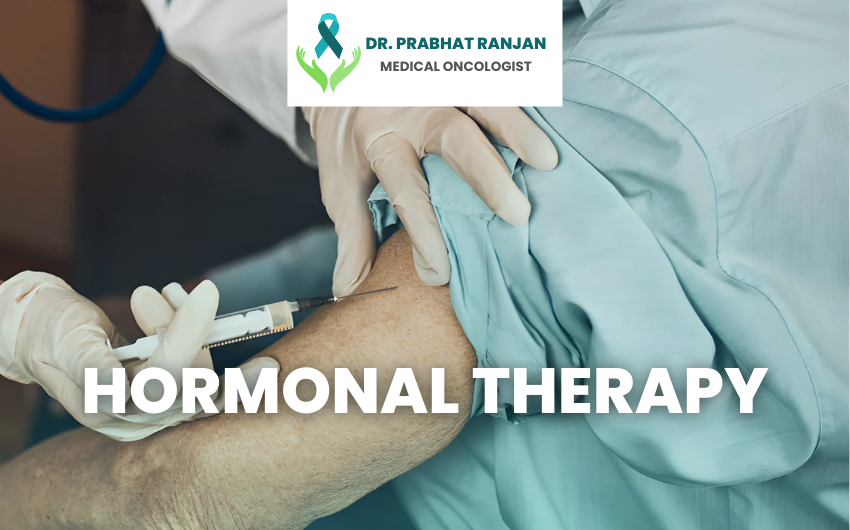
Hormonal Therapy in Cancer
Targeted Treatment for Better Outcomes
Hormonal therapy, also known as endocrine therapy, is a specialized cancer treatment designed to block or lower the amount of hormones in the body that fuel the growth of certain cancers. Some cancers, such as breast cancer, prostate cancer, and certain types of uterine or ovarian cancers, depend on hormones like estrogen or testosterone to grow. By targeting these hormones, hormonal therapy helps slow down or stop cancer progression, improve survival rates, and reduce the risk of recurrence.
At our hospital, we offer personalized hormonal therapy plans tailored to each patient’s type of cancer, overall health, and treatment goals.
How Hormonal Therapy Works
Hormones are natural substances produced by glands in the body, and they play an important role in controlling growth and development. Unfortunately, some cancer cells use these hormones to grow and multiply.
Hormonal therapy works in two main ways:
- Blocking hormone production – Certain medicines stop the body from making hormones.
- Preventing hormones from acting on cancer cells – Drugs or injections block hormone receptors on the cancer cells so they cannot receive the growth signals.
Cancers Treated with Hormonal Therapy
Hormonal therapy is most effective in cancers that are hormone-sensitive, including:
Breast cancer (especially estrogen receptor-positive and progesterone receptor-positive types)
- Prostate cancer
- Endometrial (uterine) cancer
- Ovarian cancer
- Some rare cancers of the adrenal gland and pituitary gland
Benefits of Hormonal Therapy
- Slows or stops cancer growth in hormone-sensitive cases
- Helps prevent recurrence after surgery or chemotherapy
- Reduces tumor size before other treatments like surgery or radiation
- Improves quality of life by controlling symptoms and slowing disease spread
- Can be used alone or in combination with other treatments for better results
Types of Hormonal Therapy
Depending on your cancer type and stage, your doctor may recommend:
- Oral medications (tablets or capsules)
- Injections or implants under the ski
- Surgical removal of hormone-producing glands (in rare cases)
Common drugs include tamoxifen, aromatase inhibitors, luteinizing hormone-releasing hormone (LHRH) agonists, and anti-androgens.
Possible Side Effects
Like all treatments, hormonal therapy can have side effects. These may include:
- Hot flashes
- Fatigue
- Mood changes
- Bone thinning (osteoporosis)
- Weight gain
- Reduced sexual desire
Our team works closely with you to manage side effects through supportive care, diet, exercise plans, and regular monitoring.
Why Choose Us for Hormonal Therapy?
Expert oncology team experienced in advanced cancer treatments
- Personalized care based on your health needs and cancer type
- Latest medical protocols ensuring effective and safe therapy
- Compassionate support throughout your treatment journey
If you or your loved one has been diagnosed with a hormone-sensitive cancer, our specialists can guide you through every step – from diagnosis to treatment and recovery.