Can Stress Really Cause Cancer?
Can Stress Really Cause Cancer?
Stress has become an unavoidable part of modern life. From work pressure and financial worries to family responsibilities and health concerns, almost everyone experiences stress at some point. A common question many patients ask is: Can stress really cause cancer? This concern often arises when people hear about the negative effects of stress on the body.
As a leading cancer specialist and the best medical oncologist in Greater Noida, Dr. Prabhat Ranjan believes that spreading accurate, science-based information is essential. Understanding the connection between stress and cancer can help patients make healthier lifestyle choices and reduce unnecessary fear.
Understanding Stress and Its Impact on the Body
Stress is the body’s natural response to challenging situations. When you are stressed, your body releases hormones such as cortisol and adrenaline. These hormones prepare you to react quickly, but when stress becomes chronic, it can start affecting your physical and mental health.
Long-term stress is known to:
● Weaken the immune system
● Increase inflammation
● Affect sleep and digestion
● Lead to unhealthy habits like smoking or a poor diet
While these effects are well-documented, the direct relationship between stress and cancer is more complex and often misunderstood. Consulting a best medical oncologist in Greater Noida can help clarify these concerns with medical accuracy.
Does Stress Directly Cause Cancer?
According to current scientific research, stress alone does not directly cause cancer. Cancer develops due to genetic mutations that cause abnormal cell growth. These mutations are influenced by factors such as:
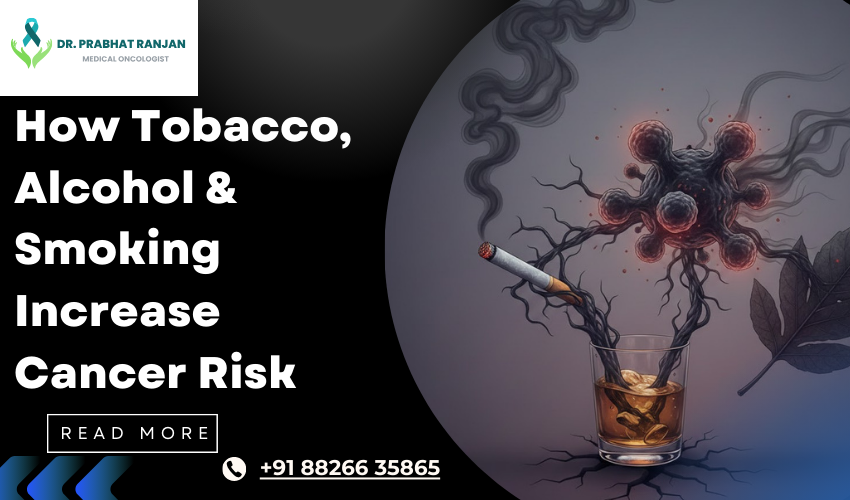
● Tobacco use
● Alcohol consumption
● Poor diet
● Obesity
● Environmental toxins
● Family history and genetics
However, chronic stress may indirectly contribute to cancer risk. As explained by many experts, including the best medical oncologist in Greater Noida, stress can influence behaviors and biological processes that increase vulnerability to disease.
How Chronic Stress May Increase Cancer Risk Indirectly
While stress does not directly cause cancer, it can create conditions that make the body more susceptible:
1. Weakened Immune System
Chronic stress suppresses immune function, reducing the body’s ability to detect and destroy abnormal cells at an early stage.
2. Increased Inflammation
Long-term stress can promote inflammation, which has been linked to cancer development and progression.
3. Unhealthy Lifestyle Choices
People under constant stress may smoke, consume alcohol, eat unhealthy foods, or avoid physical activity—all known cancer risk factors.
4. Delayed Medical Care
Stress and anxiety may cause people to delay health check-ups or ignore early symptoms, leading to late cancer diagnosis.
A best medical oncologist in Greater Noida often sees patients where stress has played a role in delaying diagnosis or worsening overall health.
Can Stress Affect Cancer Progression?
For patients already diagnosed with cancer, stress does not cause cancer to spread directly, but it can impact treatment outcomes and quality of life. High stress levels may:
● Reduce tolerance to cancer treatments
● Increase fatigue and pain perception
● Affects emotional well-being
● Interfere with recovery and healing
That is why comprehensive cancer care focuses not only on medical treatment but also on emotional and psychological support. A holistic approach guided by the best medical oncologist in Greater Noida ensures better patient outcomes.
The Role of Mental Health in Cancer Prevention and Care
Managing stress is an important part of overall health and cancer prevention. While stress reduction alone cannot prevent cancer, it supports a stronger immune system and healthier lifestyle habits.
Some effective stress-management strategies include:
● Regular physical activity
● Balanced nutrition
● Adequate sleep
● Meditation or yoga
● Counseling or psychological support
● Strong family and social support
Under the guidance of the best medical oncologist in Greater Noida, patients are often encouraged to focus on mental well-being alongside medical care.
Why Awareness Matters
Misinformation about stress and cancer can create unnecessary fear and guilt among patients. Some people blame themselves for being “too stressed,” which is not scientifically accurate. Cancer is a complex disease, and no single factor is responsible.
Education from a trusted specialist, such as the best medical oncologist in Greater Noida, helps patients understand real risk factors and focus on what they can control—early detection, healthy living, and timely treatment.
Conclusion
Stress alone does not cause cancer, but chronic stress can indirectly influence cancer risk by weakening immunity, promoting unhealthy habits, and delaying medical care. Managing stress is an important part of maintaining overall health and supporting cancer prevention and recovery. Accurate information, early diagnosis, and expert guidance from a best medical oncologist in Greater Noida like Dr. Prabhat Ranjan can make a significant difference in outcomes and peace of mind.
FAQs
1. Can stress directly cause cancer?
No, stress does not directly cause cancer, but chronic stress may indirectly increase cancer risk through immune suppression and unhealthy behaviors.
2. Does stress make cancer worse?
Stress does not directly worsen cancer, but it can affect treatment tolerance, recovery, and overall quality of life.
3. Can managing stress help prevent cancer?
Managing stress supports overall health and immune function, which may help reduce indirect cancer risks.
4. Should cancer patients focus on mental health?
Yes, mental health plays a crucial role in cancer treatment and recovery. Emotional support improves treatment outcomes.
5. Who should I consult for cancer-related concerns?
You should consult a qualified and experienced best medical oncologist in Greater Noida for an accurate diagnosis and treatment.
6. Can stress delay cancer diagnosis?
Yes, stress may cause individuals to ignore symptoms or delay medical consultations, leading to late diagnosis.
7. Is emotional support part of cancer treatment?
Absolutely. Emotional and psychological support is an essential part of comprehensive cancer care.


.png)

.png)

.png)

.png)
.png)
.png)

.png)
.png)
.png)
.png)
.png)
.png)
.png)
.png)
.png)
.png)
.png)
.png)
.png)
.png)
.png)
.png)
.png)